

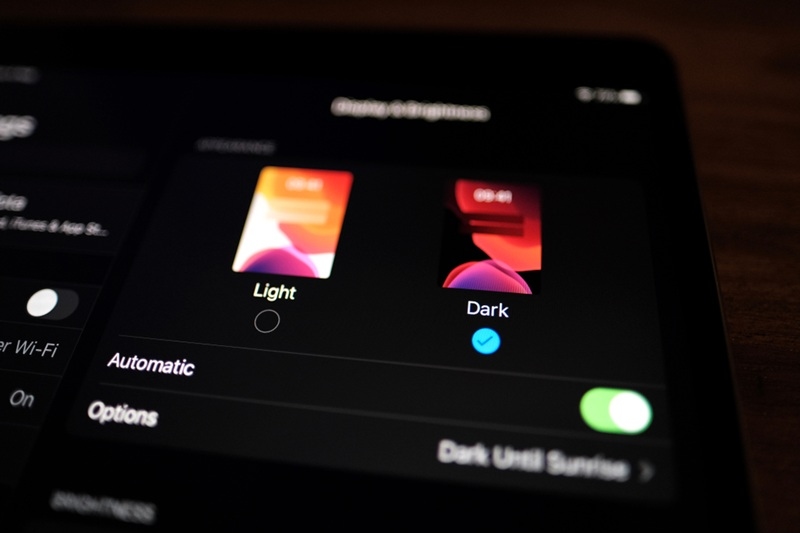
In the last few years, dark mode has moved from a mere visual choice to a significant digital trend with implications for all modern interfaces. Dark mode design now affects more than just the look of an interface; it also impacts its functionality and usability, as well as how users perceive the brand associated with it. As people use screens for longer each day, dark mode UX plays an important role in reducing eye strain and increasing engagement, and it also affects dark mode conversion rate metrics across industries.
From mobile app designs to enterprise platforms and website designs, dark mode UX requirements are changing how consumers interact with products across all digital platforms. Companies that utilize dark mode best practices have higher consumer satisfaction, longer time spent using their products, and improved consumer retention. So what are the characteristics of effective dark mode design, and why is it becoming an expected default experience rather than simply a trend?
This article will look into how dark mode design will continue to shape digital experiences going forward and how to effectively implement it.
Dark Mode (low-light mode) UX is the design of an interface using dark-coloured backgrounds with bright-coloured text (with additional colours used as 'highlight' colours). Compared to standard or light interface modes, dark mode not only reduces screen brightness but also helps users see their screens more clearly.
Dark mode UX is increasingly important in the digital world, as users want more options to achieve a sense of comfort, control, and personalization in their online activities. Dark mode has been shown to be used more frequently by users in dark environments (e.g., at night), for extended periods, and when switching from light to dark mode. As a result, the implementation of dark mode has become a key element in defining an interface as usable rather than simply an optional design trend.
In addition, dark mode design includes compliance with and support of accessibility standards (e.g., visibility, readability) and encourages greater levels of concentration on the content and emotion of the user, which ultimately improves conversion rates for sites using dark mode as content and/or transactional web applications, when the design of dark mode is completed properly.
Dark mode design and dark mode user experience are two separate but related things. Having a dark-looking UI is not enough; however, how well the dark mode UI is made has a lot to do with how easily users can read, quickly identify areas of focus, see what needs to be done, and receive feedback after completing a task.
Properly designed dark mode reduces the mental effort required while reading by lowering your screen's overall brightness without sacrificing clarity. Users will be less tired after long periods of device use. The comfort provided by dark mode will lead to more time spent on web pages and more successful navigation through them, all of which are very important for increasing conversion rates in dark mode.
Also, using dark mode will create a positive emotional impression on users. Dark mode UI feels richer, more targeted, and more immersive than light mode, which is beneficial for creative applications and entertainment sites, and services.
Worth a Look: The Rise of Web3: What It Means for the Digital World
Certainly, the use of dark mode as part of the design can influence conversion rates when implemented effectively. Poor contrast or low visibility in dark mode can negatively affect usability; however, with a well-designed UX, users often become more engaged with the platform, complete more tasks, and use the products or services more often.
eCommerce websites designed in dark mode can draw attention to product visuals and call-to-action buttons by strategically placing accent colours, whereas SaaS solutions that include dark mode help users complete tasks by reducing distractions and visual fatigue. Both examples create a frictionless process for users to complete a task, thereby driving higher conversions.
To achieve successful conversions with dark mode, follow best practices, including a proper colour hierarchy, legible typefaces, and consistent interaction cues.
While they sound alike, UI dark mode versus website dark mode have slightly different meanings in terms of functionality when it comes to dark mode design.
UI dark mode refers specifically to application-level user interfaces, such as dashboards, mobile apps, and software tools, where UX benefits tremendously from using dark mode due to the long time users spend interacting with them. Thoughtful UI dark mode design helps create a more productive experience, reduces error rates, and increases user satisfaction.
Website dark mode applies dark mode design elements specifically to web experiences. It provides an improved reading experience for content, increases the usability of content for users with disabilities, and adapts to user preferences. Dark mode on the website works with responsive design to provide a seamless experience for users, regardless of device.
Both examples require that dark mode best practices be observed in order to ensure they remain functional and work as intended.
Designers who want to take advantage of dark mode should follow commonly accepted best practices when developing dark-mode designs, with an emphasis on usability over aesthetics.
First, don't use pure black backgrounds when designing a dark mode application. Use dark grey as a background colour to reduce contrast fatigue and improve readability. This will also provide a seamless user experience when switching between dark and light modes and reduce eye strain.
Second, the contrast ratio between the font and background colours must be adequate to ensure accessibility and make text easily readable, thereby increasing the conversion rate for a dark mode design.
Third, it is important to use accent colours deliberately to direct the user's attention to elements within the dark mode user interface and to actions taken in dark mode. Excessive or overbearing use of accent colours creates visual distractions, making dark mode more difficult to use.
Finally, to ensure consistency in the use of dark-mode website designs, a designer should test dark-mode implementations across different devices and under various lighting conditions.
Don’t Miss This: Top Digital Transformation Trends 2025: AI, 5G & Beyond
One of the most popular reasons dark mode design is widely adopted is its accessibility. Users with light sensitivity or visual impairment experience a much better user experience through dark mode.
When UI dark mode is implemented correctly, it will support screen readers, comply with contrast guidelines, and reduce glare. Dark mode for websites also lets users customize how they view content, enabling more inclusive, user-controlled interfaces.
Unfortunately, accessibility in dark mode depends on the proper implementation of dark mode best practices. Poor color choice or low contrast will hinder the user's ability to read and understand what they are looking at. Designers should ensure that their dark mode design enhances a user's ability to access information rather than limiting them.
The concept of dark mode design aligns well with how people use screens today. The more people use their devices, the more they desire to have experiences that are effortless and visually balanced. This shift in consumer behaviour has made dark mode UX design a key element of evolving trends in the digital space.
All major platforms offer dark mode as the default, and therefore, web-based dark mode is becoming an expected part of the web. Companies that do not address dark mode and incorporate it into their websites and apps can appear irrelevant and difficult to use.
Dark mode design can demonstrate measurable benefits across the board - from brand presence to application performance. Dark mode design can improve the user experience by increasing end-user engagement, strengthening the user's emotional connection to the application, and boosting dark mode conversion rates when properly implemented.
Explore More Tips: How to Create a Digital Marketing Strategy for Events?
In designing effective dark modes, understanding user needs is essential. Dark mode offers a unique user interface experience. Therefore, it needs to be implemented with care and consideration for the overall dark mode UX design.
Businesses should give users the option to toggle between light and dark modes. By providing this option, website operators can increase the likelihood that users adopt a website's dark mode while also meeting users' preferences.
The interface design can be validated through regular testing, user testing, and analytics tracking. Tracking the efficacy of dark mode design through user interaction monitoring enables optimizing the dark mode conversion rate and continuously refining user interface elements.
Dark mode design has become an industry standard, replacing its status as a mere fad. As designers continue to create better experiences for users through adaptive dark modes, system-wide themes, and AI-driven user interface personalization, the way users view, experience, and trust digital products will evolve. Brands that embrace the best practices for implementing dark modes now will help define the future of digital products. The real importance of dark mode design is that it signifies a move toward user-centric design principles, emphasizing comfort, clarity, and performance above all else
Ultimately, dark mode design is a key aspect of today’s digital world by improving usability, accessibility, and engagement. If you use good work practices when designing dark mode, you will create stronger dark mode UX, improve UI clarity, and ultimately have a positive impact on conversion rates.
Dark mode was designed to reduce eye strain and improve focus. It has also improved usability and provided an aesthetic interface for applications.
Yes, dark mode users gain more engagement than light mode users because they feel less tired and can participate for longer, so their engagement increases.
When designed according to dark mode best practices, dark mode converts at a higher rate because users can focus better and use a more defined visual hierarchy.
Dark mode is best for applications that contain a lot of content, creative applications, and productivity tools; however, they must also be tested for accessibility and clarity.
The use of dark mode on websites aligns with consumer expectations, promotes accessibility, and enhances the user experience regardless of device type or ambient lighting.
This content was created by AI