

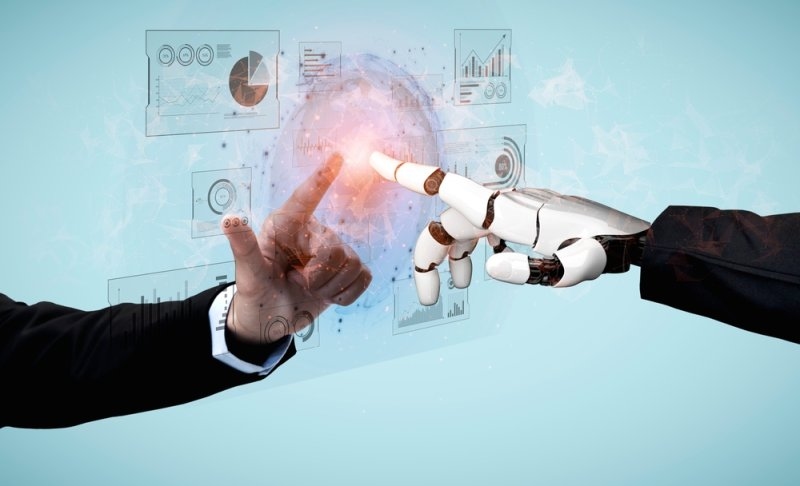
People have always called the shots—shopping, working, making investments, and choosing what comes next. But things are changing. AI isn’t just about answering your emails or pumping out essays anymore. These days, new AI systems are starting to make decisions on their own, handle jobs from start to finish, make deals, and even communicate with other AIs. The big transformation goes by a name: the Agentic Economy.
They enable you to compare options, automate processes, make payments, and connect to various platforms. If you are not familiar with the Agentic Economy, then you need to become familiar quickly; it's a fascinating concept. This guide goes through the what, how, when, why, and where of the Agentic Economy for pieces of head-tickling, and puts together different types of economic agents in the real world, and why it matters to business—it matters to everyone!
This requires a new configuration, an Agentic Economy, because all the smart AI agents work, call, trade value, and interact with other systems for people or companies. Instead of waiting for you to micromanage, these agents, once you set a goal or two, handle the rest.
Regular software just follows steps. Agentic systems chase after results.
Picture an AI travel agent—it tracks down flight deals, books hotels, fixes your plans if there’s a delay, and then just sends you the final itinerary. Most of this happens without you checking in on every step. That’s a big deal.
Tech has always made things quicker—machines have been doing repetitive grunt work for ages. But the Agentic Economy is different. It’s not just about working faster; these new systems can actually reason, pick priorities, adapt, and make things happen on their own. They may not be totally self-driving, but they dramatically cut down the hassle in all sorts of transactions.
Must Read: Why Website Behavior Tracking Tools Are Essential for Growth
So what does this look like day to day? Let’s say a company wants some market research done. Instead of hiring teams, an AI agent can hunt down data sources, buy access, gather info, analyze results, and put together recommendations—all automatically.
Or take personal finance. Imagine an agent that tracks where your money goes, compares banks and credit cards, moves your cash around, pays bills, and finds ways to boost your savings—all built around your needs.
Here’s what’s really happening:
Basically? Info and money move more smoothly, faster, and with less friction.
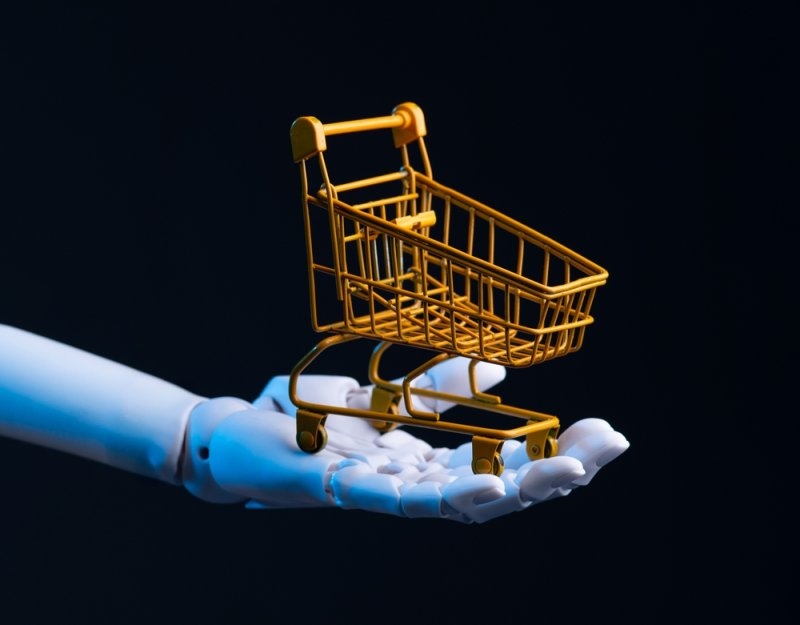
It’s not just talk—here’s where agentic systems are already making things easier:
Shopping AIs can compare products, watch for sales, haggle, place orders, or file returns. You say what you want, and the agent handles everything else. No more having to navigate through dozens of tabs and second-guessing details. With that, there is less decision fatigue, but more convenience.
Using Financial AIs, you will be able to monitor the market, evaluate the risk of investments, provide assistance with portfolio rebalancing, and locate smart investments based on your specific goals. Sure, you might still approve the big moves, but most analysis gets handled by these systems. The speed is a game-changer.
Companies waste a ton of time on vendors, quotes, contracts, and supplier management. AI agents now compare the options, gather quotes, note the risks, and recommend the best picks—shortening cycles and lowering admin costs.
Doctors and clinics are drowning in paperwork. AI agents can make appointments, handle insurance, manage paperwork, etc., with administrative support. So physicians spend more time with patients instead of paperwork.
Don't Miss: How Predictive Analytics Have Changed Business Strategies?
When trying to determine where we are going, keep in mind the traditional Economic Agents - people and institutions who provide the energy for all of this activity to take place. The resources are used to be produced, consumed, and shared by economic agents.
So people or households are out there making purchases and doing work. They make choices about their spending, saving, and investing. Personal AIs may take care of much of that busywork in the Agentic Economy.
Businesses have a function of providing goods and/or services and generally want to expand, earn profits, and remain competitive. Agentic tools are permeating all aspects: logistics, marketing, forecasts, and customer experience.
Governments influence the economy by creating policies, taxes, rules, and spending money. In the case of the agent systems on the spread, the governments should find new methods to maintain accountability, transparency, and consumer protection.
Business and People trading across borders is all about international trade. Agentic tech could facilitate smoother deals, bypassing human bottlenecks in compliance, currency conversions, supply chains, etc.
The Agentic Economy isn’t just the next trendy phrase. This is a real shift in the way people, companies, and organizations interact, trade, and work. Autonomous agents aren’t background support anymore—they’re running tasks, reading data, making plans, and even making purchases, often without much human help.
But the classic players—households, businesses, governments, and global outfits—are still here. They’ll just start relying more on smart agents to move fast and make good decisions.
Absolutely. Small businesses finally get tools that used to be reserved for the big guys. AI agents can automate numerous tasks, which previously required entire teams of people. They're on their own for repetitive tasks, admin duties, customer service, and provide leaders with a more complete picture.
Some already run the numbers, spot trends, and suggest what to do next. We're not at full autopilot (yet), since there are rules and risks, but agents are quickly getting more capable.
The skills required in the workplace today, including critical thinking, planning and decision-making, creativity, leadership, ethical behavior, and the ability to work in conjunction with Artificial Intelligence, are all on the rise. AI can’t do these jobs—people who can will stay in high demand.
Some routine gigs will fade as automation grows—but new jobs develop around managing, coaching, monitoring, and building these agentic systems. Work doesn’t vanish; it just shifts.
This content was created by AI