


The way people build a personal brand model has changed in a very real way. It is no longer just about credentials or job titles. At the same time, it is not only about posting content and chasing followers either.
In 2026, most people sit somewhere in between. You have creators trying to sound more credible, and professionals trying to stay visible. That shift is driven by changing creator economy trends, evolving hiring behavior, and how people now evaluate expertise online.
If you are building a brand today, the real question is not which side is better. It is which approach actually helps you grow, earn, and stay relevant in the long run?
A personal brand model is not just your content style. It is how you position yourself, attract attention, and turn that attention into opportunities.
Most people fall into two buckets:
The difference shows up in priorities.
Both rely on content, but the intent behind that content is very different. This becomes clear once you start working on audience building and brand positioning.
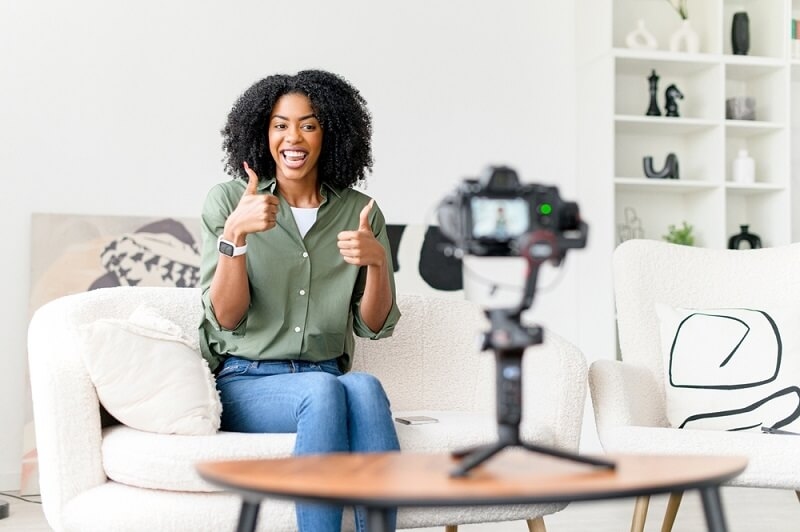
The creator model is simple. Show up often, share ideas, and grow an audience.
It aligns closely with current creator economy trends, where individuals build attention first and figure out monetization later.
What this looks like:
Someone posts daily breakdowns of marketing campaigns. Within months, they build a following. Later, they launch a course or sell templates.
The upside is speed. You can grow fast if your content connects.
The professional model works differently. You build authority first, then use content to support it.
This is what strong professional branding looks like in practice.
What this includes:
A pricing consultant shares how they helped a client increase margins by 20 percent. The audience is smaller, but every post attracts the right kind of attention.
Here, the focus is not reached. It is credibility.
If you are looking for a straight answer, neither model works well in isolation anymore.
The most effective personal brand model in 2026 combines both.
You need:
This shift is happening because of how creator economy trends have evolved. People expect you to show up regularly, but they also expect substance behind what you say.
At the same time, personal branding with AI is becoming part of how people execute this balance. AI helps with idea generation, content structuring, and consistency, but it cannot replace real experience or clear thinking. The people who stand out are the ones using AI as support, not as a shortcut.
That is why the hybrid approach is working. It blends visibility, credibility, and now smarter execution through tools without losing authenticity.
For most US-based professionals, LinkedIn remains the most practical place to build.
But growth there is no longer about posting random thoughts.
A working LinkedIn growth strategy starts with getting the basics right, especially if you are figuring out how to optimize LinkedIn Profile for visibility and conversions.
If your profile and content are vague, people scroll past.
This level of clarity strengthens your brand positioning.
Posting often helps, but only if the content has direction.
This is how you build a steady audience.
Generic advice does not work anymore.
This builds professional branding while still supporting growth.
Replies and conversations do more for you than impressions. It instills a sense of trust sooner than just posting.
More followers do not automatically mean better results.
What matters in audience building today:
A focused audience converts better.
If you help SaaS founders, 5,000 founders are more valuable than 50,000 general followers. Your content speaks directly to their problems, which makes your positioning stronger.
A lot of people struggle not because of content, but because of weak brand positioning.
If people cannot quickly understand:
They move on.
This impacts everything from audience building to conversions.
Understanding monetization helps you pick the right mix.
Works best when your audience building is strong and broad.
Driven by professional branding and trust.
This is where most sustainable growth happens.
No personal brand model is perfect.
Knowing this upfront helps you avoid frustration.
Your starting point matters.
Go creator-heavy if:
Lean professional if:
Blend both if:
The gap between creator and professional is getting smaller.
Content alone is not enough. Credentials alone are not enough either.
What works now is a clear mix of:
That combination is what turns attention into real opportunities.
If you get that right, the model you choose matters a lot less.
Consistency is easier when you narrow your focus. Instead of covering multiple topics, stick to one core theme. Batch your content once or twice a week and schedule it. This reduces daily pressure and keeps your messaging aligned with your overall personal brand model.
It helps with both. Recruiters often check online presence before shortlisting candidates. A strong mix of professional branding and visible thinking can position you as a top candidate even before interviews begin. It also gives you leverage during negotiations.
Content based on real situations works best. Instead of general advice, share specific examples, decisions you made, or mistakes you learned from. This approach strengthens brand positioning and shows depth, which is more effective than surface-level tips.
This content was created by AI